
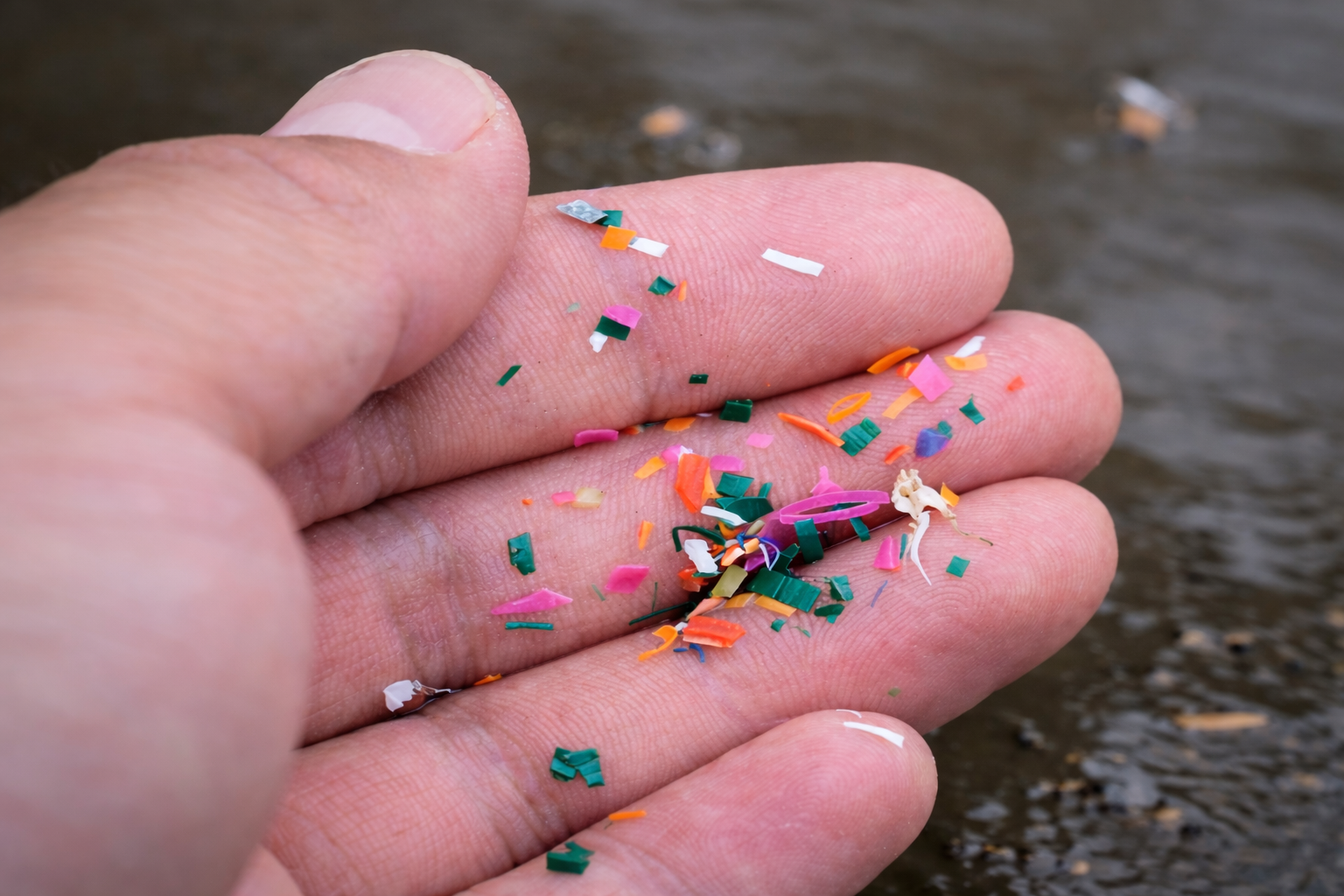
In recent years, a strong debate has arisen on the risks associated with the presence of microplastics And nanoplastics in foods, with particular attention to the role of materials in contact with food (MOCA), including plastic packaging. Some media outlets have often raised alarms, fueling concerns among consumers and industry. However, according to an in-depth review of the scientific literature published by EFSA (European Food Safety Authority) The October 21, 2025, the issue is much more complex and must be read carefully.
What the EFSA study really says
EFSA has systematically analysed 1,711 scientific articles published between 2015 and January 20, 2025. Of these, 122 were selected for data analysis, with a further 8 publications included to support the context.
The aim of the study was to evaluate the effective release of microplastics and nanoplastics (MNPs) from MOCA materials during their daily use. The review focused on:
-
release mode,
-
quantities detected,
-
test conditions,
-
reliability of the methods used.
Microplastics detected, but little reliable data
One of the main findings of the study is that microplastics can be released, especially in the presence of mechanical stress (such as abrasion or rubbing) or when the material has porous or damaged structures.
However, EFSA underlines that the available data are fragmentary and often unreliable. Most of the research has used water or simulating liquids to replicate contact with food, but only few studies have been conducted with real food products, thus reducing the representativeness of the results.
Furthermore, many researches present methodological limitations:
-
non-standardized tests;
-
difficulties in preparing samples;
-
unvalidated analytical techniques;
-
high risk of external contamination.
These critical issues make it difficult to accurately assess the actual amount of particles released.
The case of nanoplastics
As for the nanoplastics, EFSA highlights that data is practically absent. This lack represents one of the major gaps in current scientific literature and makes it impossible, at present, to estimate consumer exposure with any certainty.
In many cases, in fact, the detected particles may not even be plastic, but additives, oligomers or residues coming from other sources.
No alarm: exposure is not quantifiable
Despite growing interest in the topic, EFSA concludes that there is not enough evidence to reliably estimate consumer exposure to microplastics and nanoplastics released from food packaging. This is therefore a scientific confirmation that puts media fears into perspective and calls for greater caution in spreading alarmist news.
EFSA instead invites the scientific community to invest in:
-
more robust and standardized methodologies;
-
realistic tests with real foods;
-
more precise analyses to distinguish plastics from other substances.
Why this study is important for the flexible packaging industry
For a company like Teamplast Srl, specialized in the production of flexible packaging in LDPE and HDPE Certified for food use, this study represents a fundamental point of reference. Teamplast has always adopted a responsible approach to the design of its packaging, placing safety and sustainability at the centre of production choices.
The quality of the materials, the compliance with MOCA regulations and monitoring scientific developments are key elements in ensuring reliable, safe products that meet the expectations of an increasingly aware market.
This EFSA study demonstrates how it is essential to rely on rigorous scientific data and not on distorted perceptions. Only in this way is responsible innovation possible in the food packaging sector.
The study EFSA sheds light on a very current issue: the possible release of microplastics from materials in contact with food. Current evidence shows that the phenomenon exists, but in unquantifiable quantities And without certain data on the health impact.
For Teamplast it's one more reason to continue to invest in safety, traceability and quality, offering solutions of certified flexible packaging, safe and compliant with European regulations.