

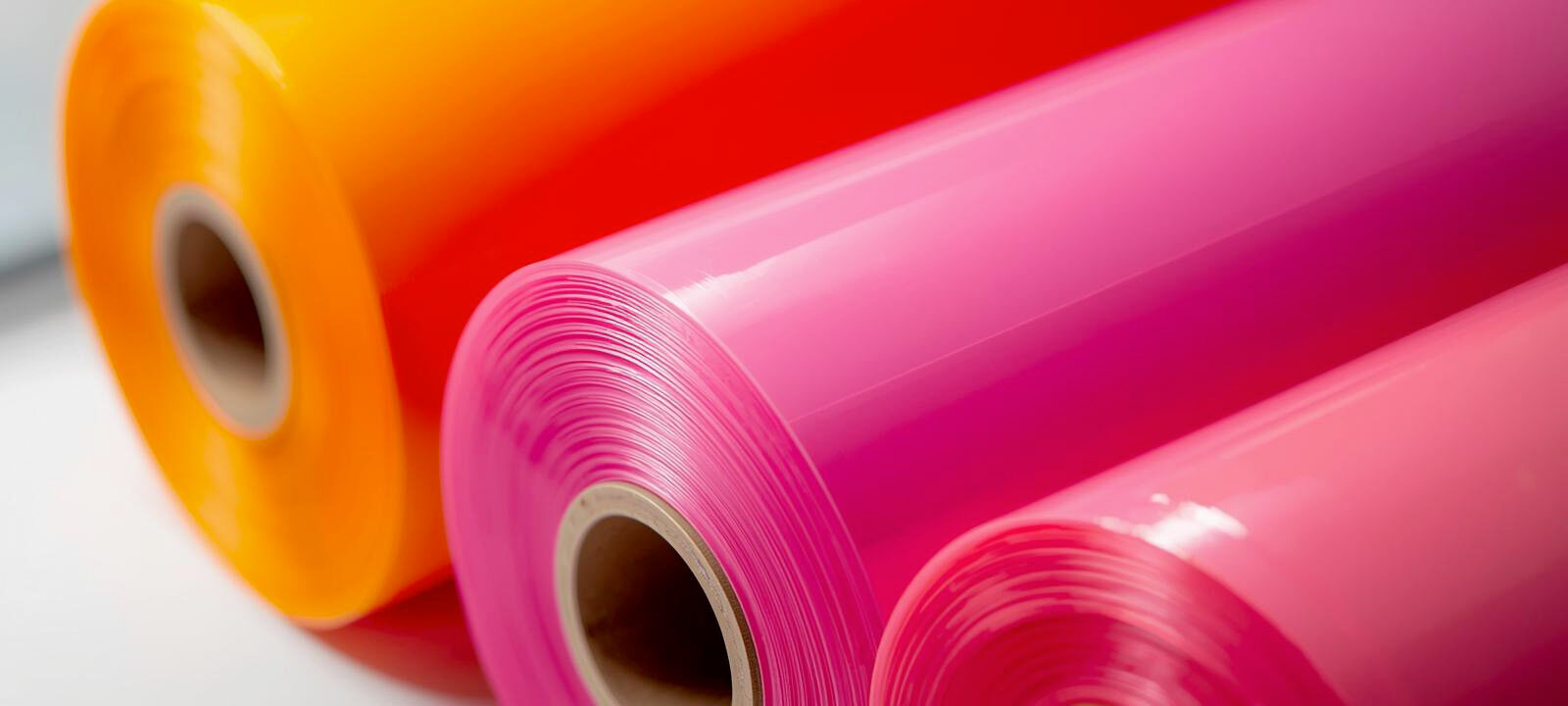
Less waste, more efficiency, more sustainability
When talking about LDPE film in reel, one of the most frequently asked questions is:
“Is it better to be generous with the thickness, so it doesn't break?”
A legitimate question, but one that often leads to an inefficient choice: the over-thickness.
In this article we explain, in a simple and practical way, why choose the right thickness of the LDPE film allows to:
- save
- work better
- reduce environmental impact
without compromising product protection.
What is LDPE roll film and why is it so popular?
The LDPE film in reel It is among the most used plastic packaging in the following sectors:
- industrial
- to feed
- logistics
Find employment for:
- automatic packaging
- product protection
- bandage
- separation and coverage
Its success depends on well-defined characteristics:
- big flexibility
- Good tear resistance
- excellent workability on automatic machines
- recyclability, as a material monomaterial
The false myth: “More often is always better”
A common belief is that increase the film thickness automatically means greater security.
Actually:
- does not necessarily improve protection of the product
- increases consumption uselessly plastic
- ago raise costs industrial and environmental
- reduces sustainability of the packaging
Often, a well-designed film with optimized thickness works better than a thicker but inefficient one.
What does “right thickness” really mean?”
Choosing the correct thickness it's not a coincidence:
It must be done on the basis of some fundamental factors.
1. Type of product to be packaged
The following should be considered:
- weight
- form
- presence of edges or sharp corners
- risk of perforation
A light, regular product requires less thickness than a heavy or irregular one.
2. Type of use
Each function requires a different evaluation:
- simple dust protection
- packaging for transport
- industrial storage
- logistics handling
3. Mechanical characteristics of the film
Count not only the thickness, but also:
- tear resistance
- puncture resistance
- elasticity
- quality of LDPE raw material
A well formulated polyethylene film ensures high performance even with reduced thicknesses.
4. Type of machine used
The film must be:
- compatible with the automatic line
- sliding And stable in progress
- homogeneous during the unwinding and welding
Too thick a film can cause:
- jams
- imperfect welds
- production slowdowns
Over-thickness: a hidden cost
Use a thicker film of the necessary involves:
- higher plastic consumption per reel
- more weight, Therefore plus shipping costs
- increase in the CONAI Environmental Contribution
- more waste to be disposed of at the end of its life
Reducing even just a few microns can generate:
- significant economic savings
- concrete reduction of environmental impact
This is what we mean by measurable sustainability, not only declared.
Less thickness ≠ less safety
One of the most common fears is that reduce the thickness may increase:
- film breaks
- machine stops
- production waste
On the contrary, when the film is designed correctly:
- improves the stability in line
- they are reduced scraps
- they are obtained more consistent performance
The key is custom design, not simply reduce.
LDPE and recyclability: a concrete advantage
LDPE reel film is:
- monomaterial
- easily recyclable through separate plastic waste collection
- part of consolidated recycling chains
Reducing the thickness also means:
- less plastic placed on the market
- same level of protection
- greater balance between function and sustainability
It's not a question of "less plastic", but of better used plastic.
The Teamplast approach
In Teamplast we do not offer standardized solutions.
Our method includes:
- technical analysis of the actual use of the film
- optimization of structure and thickness
- customization according to specific needs
We often help clients to:
- reduce the thickness maintaining or improving performance
- reduce costs operational and environmental
- optimize packaging depending on the production line
Choose the correct thickness of LDPE film in reel means:
- avoid waste
- work better
- save
- increase real sustainability
Over-thickness is not synonymous with safety:
it's just extra material that is not needed.
If you want to understand if the film you use today is really the most suitable for your production, Teamplast is available to:
- a’personalized technical analysis
- without standardized solutions
- with a concrete and sustainable vision of packaging
The right plastic, used in the right way, makes the difference.